

What is the role of a hydraulic pump in a textile machine?
Jan 19, 2026
In the complex and dynamic world of textile machinery, the hydraulic pump stands as a silent yet crucial powerhouse, driving the efficiency and precision that modern textile production demands. As a seasoned hydraulic pump supplier, I've witnessed firsthand the transformative impact these components have on the textile industry. In this blog, I'll delve into the multifaceted role of hydraulic pumps in textile machines, exploring their functions, benefits, and the diverse range of pumps available to meet the industry's unique needs.
The Fundamentals of Hydraulic Pumps in Textile Machines
At its core, a hydraulic pump is a device that converts mechanical energy into hydraulic energy. In the context of textile machines, this energy conversion is essential for powering various mechanical components, such as actuators, cylinders, and motors. By generating high-pressure fluid flow, hydraulic pumps enable precise control over the movement and operation of these components, ensuring smooth and efficient textile production processes.
One of the primary functions of a hydraulic pump in a textile machine is to provide the necessary force to drive the machine's working parts. For example, in a weaving machine, the hydraulic pump powers the shedding mechanism, which raises and lowers the warp threads to create the shed for the weft thread to pass through. By precisely controlling the pressure and flow of the hydraulic fluid, the pump ensures that the shedding process is accurate and consistent, resulting in high-quality woven fabrics.
In addition to providing power, hydraulic pumps also play a crucial role in controlling the speed and direction of movement in textile machines. By adjusting the flow rate of the hydraulic fluid, the pump can regulate the speed of the machine's working parts, allowing for precise control over the production process. This is particularly important in applications such as knitting and spinning, where the speed and tension of the yarn need to be carefully controlled to ensure consistent quality.
Benefits of Hydraulic Pumps in Textile Machines
The use of hydraulic pumps in textile machines offers several significant benefits, making them an indispensable component in modern textile production. One of the key advantages is their high power density. Hydraulic pumps can generate a large amount of force in a relatively small and compact package, allowing for the design of more efficient and space-saving textile machines. This is especially important in industries where floor space is limited, such as textile factories.
Another benefit of hydraulic pumps is their excellent controllability. Unlike other types of power transmission systems, such as electric motors, hydraulic pumps can provide precise control over the speed, force, and direction of movement. This allows for the optimization of the textile production process, reducing waste and improving product quality. For example, in a dyeing machine, the hydraulic pump can be used to control the flow rate and pressure of the dye liquor, ensuring uniform dyeing of the fabric.
Hydraulic pumps also offer high reliability and durability. They are designed to withstand the harsh operating conditions typically found in textile factories, such as high temperatures, humidity, and dust. With proper maintenance and care, hydraulic pumps can have a long service life, reducing the need for frequent replacements and minimizing downtime in the production process.
Types of Hydraulic Pumps Used in Textile Machines
There are several types of hydraulic pumps commonly used in textile machines, each with its own unique characteristics and applications. One of the most widely used types is the vane pump. Vane pumps are known for their smooth operation, high efficiency, and low noise levels. They are often used in applications where precise control over the flow rate and pressure is required, such as in the hydraulic systems of knitting machines and spinning frames. For example, the KCL Quantitative Vane Pump T6C-010-1R00-B1 is a popular choice for textile machines due to its reliable performance and precise flow control.
Another type of hydraulic pump commonly used in textile machines is the variable displacement pump. Variable displacement pumps allow for the adjustment of the pump's output flow rate and pressure according to the specific requirements of the application. This makes them ideal for applications where the load and operating conditions vary, such as in the hydraulic systems of large-scale weaving machines. The DANFOSS KRR038 Variable Displacement Hydraulic Oil Pump is a high-quality variable displacement pump that offers excellent performance and energy efficiency in textile machine applications.
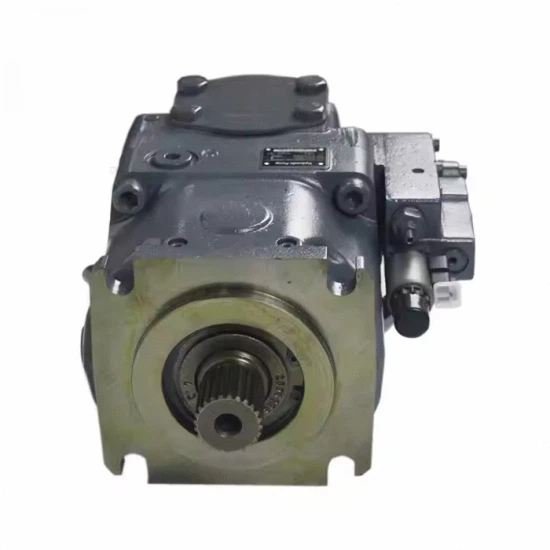
In addition to vane pumps and variable displacement pumps, axial piston pumps are also widely used in textile machines. Axial piston pumps are known for their high pressure capabilities and high efficiency, making them suitable for applications where high power and precise control are required. For example, in a high-speed spinning machine, the axial piston pump can provide the necessary power to drive the spinning rotor at high speeds, ensuring efficient and reliable yarn production. The Rexroth A11VLO130 Crane Drilling Machine Mechanical Pump is a powerful axial piston pump that is commonly used in heavy-duty textile machine applications.

The Future of Hydraulic Pumps in Textile Machines
As the textile industry continues to evolve and demand higher levels of efficiency and quality, the role of hydraulic pumps in textile machines is likely to become even more important. Advances in hydraulic technology, such as the development of more efficient pumps and intelligent control systems, will enable textile manufacturers to further optimize their production processes and improve the quality of their products.
One of the trends in the future of hydraulic pumps in textile machines is the increasing use of energy-efficient pumps. With the growing emphasis on sustainability and energy conservation, textile manufacturers are looking for ways to reduce their energy consumption and environmental impact. Energy-efficient hydraulic pumps, such as those with variable displacement technology and advanced control systems, can help to achieve these goals by reducing the amount of energy required to operate the textile machine.
Another trend is the integration of hydraulic pumps with other technologies, such as sensors and automation systems. By combining hydraulic pumps with these technologies, textile manufacturers can achieve greater levels of automation and control in their production processes. For example, sensors can be used to monitor the performance of the hydraulic pump and the textile machine, providing real-time feedback and enabling proactive maintenance and optimization. Automation systems can then use this information to adjust the operation of the pump and the machine, ensuring optimal performance and efficiency.
Conclusion
In conclusion, the hydraulic pump plays a vital role in modern textile machines, providing the necessary power, control, and efficiency to drive the textile production process. With their high power density, excellent controllability, and numerous benefits, hydraulic pumps have become an indispensable component in the textile industry. As a hydraulic pump supplier, I am committed to providing high-quality pumps and solutions that meet the unique needs of the textile industry. Whether you are looking for a vane pump, a variable displacement pump, or an axial piston pump, we have the expertise and experience to help you find the right pump for your application.
If you are interested in learning more about our hydraulic pumps or would like to discuss your specific requirements, please feel free to contact us. We look forward to working with you to optimize your textile production processes and achieve greater efficiency and quality.
References
- "Hydraulic Pumps and Motors" by Tom Johnson
- "Textile Machinery Design and Operation" by John Smith
- "Advances in Hydraulic Technology" by David Brown