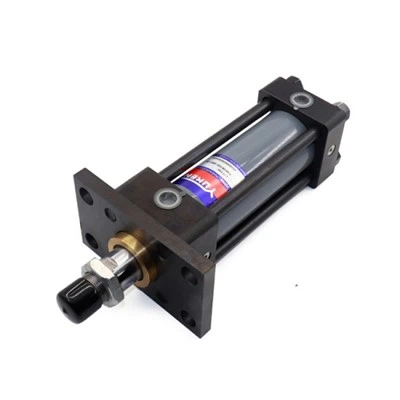
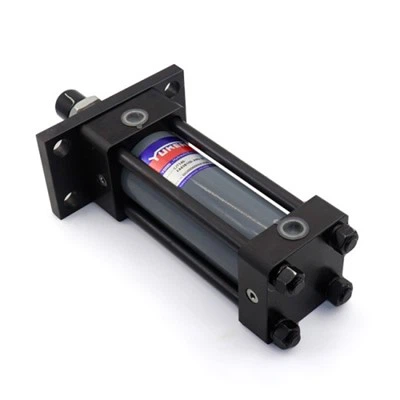
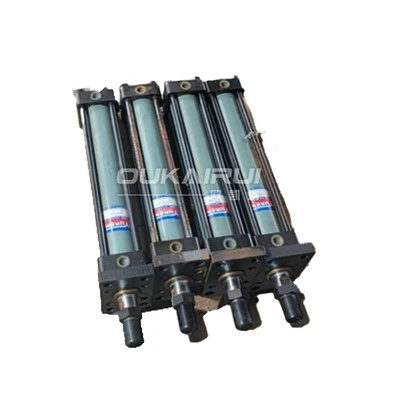
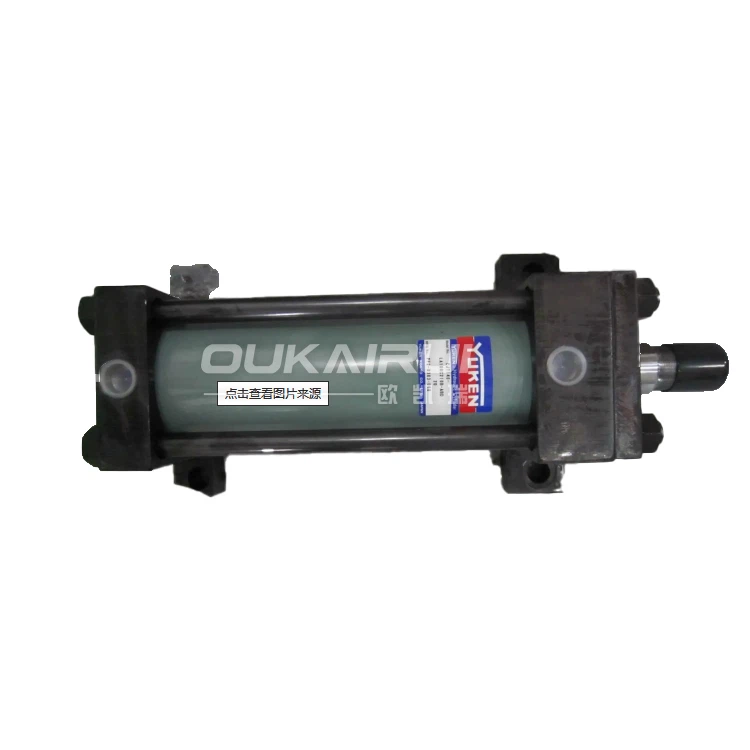
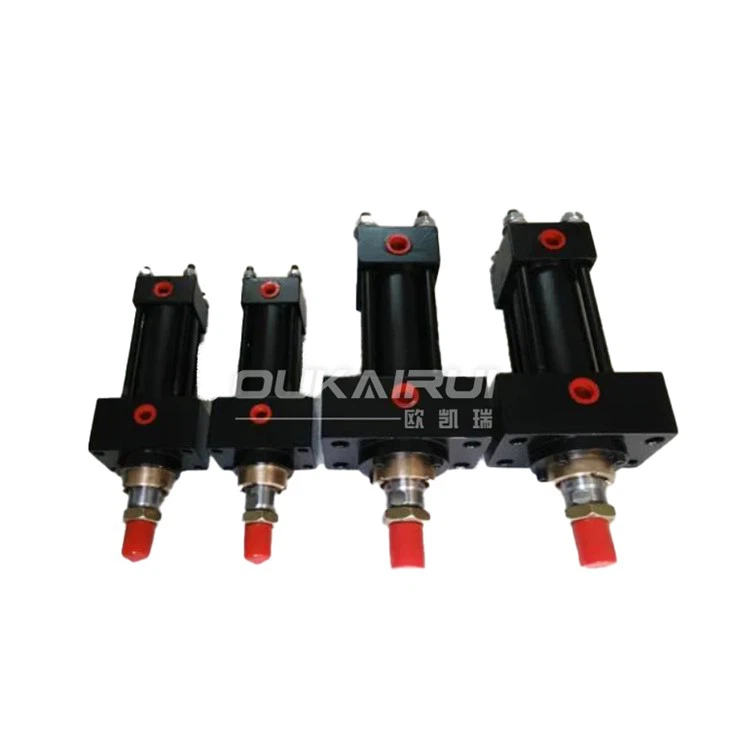
Hydraulic Cylinder

Your Professional Hydraulic Cylinder Supplier


Our goal is to become your true partner in the field of hydraulic cylinder in China. Fujian Okairui Fluid Technology Co., Ltd. (hereinafter referred to as Okairui), founded in 2013, the core members of the company have rich experience in technology, management and entrepreneurship. We have a skilled engineering team dedicated to refining every stage, from product development and process improvement to production oversight, ensuring every product delivered meets rigorous quality and performance standards. The price is competitive and the product is quality-assured, which is a good choice for your long-term cooperation.


First 12 Last 1/2

 
Why Choose Us


Product application

Our products include hydraulic pumps, hydraulic motors, hydraulic valves and hydraulic systems, which are widely used in construction machinery, agricultural machinery, marine equipment, offshore applications and other industries.


Our customization

Our products are the ideal choice for various industries, and we can also customize them according to the specific needs of customers for different applications.


Our services

In the pre-sales stage, our team of experts will recommend the most suitable products according to the needs of customers and provide detailed technical consultation. During the sales period, we ensure timely delivery and provide installation guidance. For after-sales, we provide long-term technical support, warranty services and spare parts to help customers maximize the use of products and get reliable maintenance during use.


Advantages of Hydraulic Cylinder
 

High force output: Hydraulic cylinders deliver powerful force output due to the incompressibility of hydraulic fluids. Fluid pressure is transmitted equally in all directions, providing high force output. Large piston surface area further enhances force output.


Smooth operation: Hydraulic cylinders offer a smooth operation due to using hydraulic fluid as the working medium. The fluid creates a cushioning effect leading to a more controlled and stable operation. Additionally, hydraulic cylinders can be designed with adjustable flow controls that regulate the cylinder's movement speed, providing greater control and precision.


Wide range of sizes and configurations: Hydraulic cylinders are available in various sizes and configurations, from small, compact cylinders used in robotics to large, heavy-duty cylinders used in construction equipment. They can be designed in different configurations to accommodate specific application requirements, including single-acting, double-acting, telescopic, and multiple-stage cylinders.

CJT35 Cylinder


CJT210 Cylinder

High reliability: Hydraulic cylinders are designed to generate longitudinal force and handle the longitudinal load while also being able to withstand transverse loads of up to 10-15% of the total force. To ensure high reliability, hydraulic cylinders are subject to rigorous testing and quality control procedures, further enhancing their reliability.


Easy maintenance: Hydraulic cylinders are designed for easy maintenance, with many components accessible for inspection and replacement.


Energy efficiency: Hydraulic cylinders are highly energy efficient as they can convert hydraulic pressure into linear motion with minimal energy loss. Also, hydraulic systems often incorporate energy-saving features which adjust flow rates to match demand, further reducing energy consumption.


Types of Hydraulic Cylinder
 

Single acting cylinders: A single-acting cylinder has a port that works in one direction only. When a liquid or a gas enters the cylinder barrel, the rod will increase in size. For the rod to return to its initial state, the cylinder May use an external force or a load string.


Double acting cylinders: A double-acting cylinder's ports are on both the rod and head parts. This design enables the hydraulic cylinder to move fluids more efficiently. The ports at both ends will control the movement of fluids within the cylinder.


Nested cylinders: The possible applications of hydraulic systems have significantly increased, and manufacturers are trying to develop more special designs. One of the latest designs involves putting together at least three cylinders. The combination of many cylinders creates a system with varying forces and speeds.


Rotating cylinder: All the cylinders above don't rotate, which May limit their applications in many industries. That is why some manufacturers produce the rotating cylinder type with linear motion. The rotating cylinder design resembles that of a non-rotating cylinder in most aspects.


Low height cylinders: Low-height hydraulic cylinders May be ideal if you have limited space or want to move the cylinder around. The low-height cylinders have the exact working mechanism as many of the cylinders listed above but are lighter and smaller.


High tonnage cylinders: Get a high-tonnage cylinder if your projects require a heavy lifting force. These cylinders can lift very heavy items that weigh over 1,000 tonnes. You can also use the high-tonnage cylinders for stability and protection for your loads. Hydraulic cylinders May use double-acting or single-acting working mechanisms.


Tie-rod cylinders: The tie-rod cylinder has a threaded steel rod to stabilize the components of the hydraulic cylinder. These cylinders also come with end caps to block fluid leaks.


Specification of Hydraulic Cylinder


Cylinder bore D (mm)

Rod diameter C (mm)

Theoretical output(N)

50

22.4

10,986

63

28

17,510

70

31.5

21,484

80

35.5

28,257


Features of Hydraulic Cylinder

High power density

Hydraulic cylinders can generate significant force relative to their size, making them ideal for heavy-duty applications.

Precision control

They offer precise control over movement and positioning, essential for tasks requiring accuracy.

Efficiency

Hydraulic systems are highly efficient, providing smooth and consistent power delivery.


Application of Hydraulic Cylinder
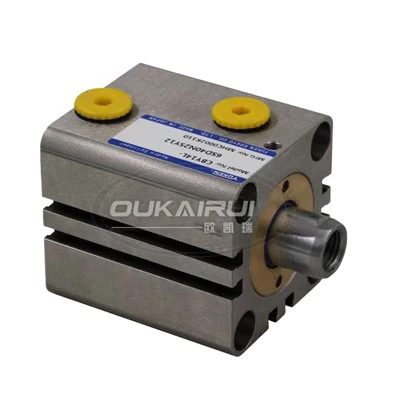
CBY14L Cylinder
CBY14 Cylinder
HMI Cylinder
01

Construction: Construction sites are home to many different tools and equipment types, many of which rely on hydraulic systems. For instance, a hydraulic cylinder can assist in powering essential tools, such as forklifts, excavators, and bulldozers.


Waste management: In the waste management industry, hydraulic cylinder applications are seen in various equipment and systems such as loaders, collection equipment, and lifters. Hydraulic cylinders are commonly used here as they help provide the necessary torque to control these large machines.


Food industry: Another common application of hydraulic cylinder systems is in the food industry. In many cases, different types of hydraulic cylinders are needed to power equipment in this industry. For instance, a hydraulic pump can power equipment, such as forklifts to transfer materials.


Mining: Another popular hydraulic cylinder use is in mining, especially when it comes to an essential piece of equipment - the stacker reclaimer. A stacker reclaimer is a large mining machine involved in handling bulk materials. Since it can move multiple thousands of tons of aggregates every hour, it needs regular maintenance.


Infrastructure repairs: Hydraulic cylinders are beneficial to use in different infrastructure repairs, including everything from lifting buildings to leveling bridges. To lift large structures, such as buildings, hydraulic jacks are used in tandem with lifting systems to lift these heavy buildings. This is beneficial when the foundation of a building is in need of repair.


Metal production: Another hydraulic cylinder used is in metal production. Often, hydraulic presses containing hydraulic cylinders are used in metal production. These cylinders exert force on metal, allowing it to be cut, bent, drilled, and assembled into pieces.


Marine: Hydraulic cylinders are used in the marine industry in several ways, including handling equipment and placing heavy loads onto a ship.


Agriculture: When it comes to the agriculture industry, a multitude of machines are controlled by hydraulic cylinders. This includes everything from tractors, to loaders, spraying equipment, ballers, heavy machines for planting, weeding, and harvesting, as well as skid steers.


Parts of a Hydraulic Cylinder

Hydraulic cylinder barrel: The barrel is designed to contain the pressure of the cylinder. This barrel is made from honed tubes which are made from cold drawn seamless tubes. This steel has to be suitable to be honed.

Cylinder head (end cap)

The cylinder head, also known as the “blind end”. This part is inside the cylinder barrel and is not exposed to daylight, hence the name. This part encloses the pressure chamber from one end of the cylinder.

Hydraulic cylinder base or gland

This part encloses the pressure from the other end of the cylinder barrel. This part is also referred to as the rod end. This can be identified by an opening where the cylinder rod connects to.

Piston

The piston inside the hydraulic cylinder is used to separate the pressure zones inside the barrel. The piston is machined to fit rubber or metallic seals which can be single-acting or double-acting. The piston rod is attached through threads, bolts or nuts to transfer the linear motion.

Piston rod

Also known as the cylinder rod. This is made from hard chrome plated cold rolled steel. The rod is attached to the piston and the cylinder head. The piston rod connects the hydraulic cylinder to the machine component that is used to do work.

Seal gland

The hydraulic cylinder gland is fitted with a number of seals that prevent the pressured oil from leaking past the interface of the cylinder rod and the cylinder head. If you take the option of the seal gland this will give you the advantage of easy removal and replacement of all the seals needed to prevent leaks.

Seals

The seals used within the seal gland are made specifically according to the cylinder working pressure, speed of the cylinder, operating temperature and the application of the hydraulic cylinder. These are dynamic seals and can be single-acting or double-acting.


Installation Requirements of Hydraulic Cylinder

Before installing your new hydraulic cylinder, start by checking the cylinder seals, end dampings, and fittings to make sure you have the correct types and sizes. Next, inspect all bearings and pins to make sure they are properly greased. You should also check the hydraulic cylinder connections include the correct sizes and placement.

Adjust the installation measure of the hydraulic cylinder to the pre-check value. Lock the eye fastened to the piston rod. If you are not sure about the measure, compare the measured value to the installation measure mentioned in the hydraulic cylinder of the device. Adjust the new cylinder end damping and replicate them to mirror the old hydraulic cylinder. Make sure the hydraulic cylinder connection holes are aligned in the correct direction.

02


Packing and Shipping of Hydraulic Cylinder


Packing

Wooden box

Shipping

Shipped by road, sea, rail


FAQ


Q: What are the three types of hydraulic cylinders?

A: The three most common hydraulic piston configurations are ram style, tie-rod, and welded. Tie-rod cylinders use strong, threaded steel rods on the outside of the cylinder to enhance stability. Welded cylinders feature a robust housing with the barrel welded directly to the end caps, eliminating the need for tie rods.

Q: What is the normal pressure for a hydraulic cylinder?

A: Most pumps have a standard range; usually from 3000 psi to 10,000 psi (210 to 690 Bar). The average tends to be at the lower end of the range; around 210 Bar.

Q: What is the most common failure on a hydraulic cylinder?

A: Air and Water Contamination. Air and water contamination are the leading causes of hydraulic failure, accounting for 80 to 90% of hydraulic failures. Faulty pumps, system breaches, and temperature issues often cause both types of contamination.

Q: What is the most common hydraulic cylinder?

A: Standard and non-differential or double-rod cylinders are the two most frequent varieties. Standard cylinders only have one rod that can pressurize in one direction, however non-differential cylinders feature two rods that execute opposing strokes.

Q: What is the correct cylinder pressure?

A: But a good rule of thumb says that each cylinder in a mechanically sound engine should have compression of 130 psi or higher.

Q: How do I know if my hydraulic cylinder is leaking internally?

A: Performance: Internal leaks often affect how well your machinery performs. If the hydraulic cylinder is extending or retracting more slowly than normal, it may be a sign that fluid is leaking inside. Erratic or jerky movements are another indicator, as leaks can cause uneven fluid distribution.

Q: How long do hydraulic cylinders last?

A: On average, hydraulic cylinders are designed to have a lifespan of around 15 to 20 years. However, this can vary significantly depending on the specific application, the frequency of use, and the level of maintenance and care provided.

Q: How do I know what hydraulic cylinder I have?

A: Every cylinder has a part number by which it can be identified. That number contains technical information regarding the type, the production date, the application etc. In 95% of the cases, that part number is engraved on the cylinder shell.

Q: What is the best steel for hydraulic cylinders?

A: Stainless steel is a popular material for hydraulic cylinder manufacturing, especially in applications requiring high corrosion resistance. It is a durable material with excellent strength, making it suitable for harsh environments.

As one of the leading hydraulic cylinder manufacturers and suppliers in China, we warmly welcome you to wholesale hydraulic cylinder for sale here from our factory. All our products are with high quality and competitive price.

Hydraulic pump A10VSO, , HD 10AVSO hydraulic oil pump

(0/10)

clearall