

How to choose the right LTR Cylinder for my application?
Jan 19, 2026
Hey there! I'm an LTR Cylinder supplier, and I know how tricky it can be to pick the right cylinder for your application. There are so many factors to consider, and it's easy to get overwhelmed. But don't worry! I'm here to break it down for you and make the process a whole lot easier.
First things first, let's talk about what an LTR Cylinder is. These cylinders are a type of hydraulic cylinder, which means they use hydraulic fluid to generate force and motion. They're commonly used in a wide range of industries, from manufacturing and construction to agriculture and transportation. The LTR Cylinder is known for its durability, reliability, and high performance, making it a popular choice for many applications.
Now, let's get into the nitty - gritty of how to choose the right one for your needs.
1. Determine the Force Requirements
The first step is to figure out how much force your cylinder needs to generate. This is crucial because if the cylinder can't produce enough force, it won't be able to do the job. On the other hand, if it's overpowered, you'll end up wasting energy and money.
To calculate the force, you need to know the pressure of the hydraulic system and the area of the piston. The formula for force is F = P x A, where F is the force, P is the pressure, and A is the piston area. For example, if your system operates at a pressure of 2000 psi and the piston area is 5 square inches, the force generated will be 2000 x 5 = 10,000 pounds.
Once you've calculated the required force, you can start looking for an LTR Cylinder that can meet those specifications.
2. Consider the Stroke Length
The stroke length is the distance the piston can travel inside the cylinder. This is determined by the application you're using the cylinder for. For instance, if you're using it to lift a heavy object a short distance, you won't need a long stroke length. But if you're using it to move something over a longer distance, like in a conveyor system, you'll need a cylinder with a longer stroke.
Make sure to measure the exact distance the piston needs to travel in your application and then choose an LTR Cylinder with a stroke length that can accommodate that distance.
3. Evaluate the Mounting Style
The mounting style of the cylinder is how it's attached to the equipment. There are several different mounting styles available, such as flange mounts, trunnion mounts, and clevis mounts. Each style has its own advantages and is suitable for different applications.
For example, flange mounts are great for applications where the cylinder needs to be securely attached to a flat surface. Trunnion mounts, on the other hand, allow the cylinder to pivot, which is useful in applications where the cylinder needs to move in multiple directions.
Think about the space available in your equipment and the type of movement required. This will help you decide which mounting style is the best fit for your LTR Cylinder.
4. Look at the Operating Environment
The environment in which the cylinder will operate is also an important factor to consider. If the cylinder will be exposed to extreme temperatures, moisture, dust, or chemicals, you'll need to choose a cylinder that can withstand those conditions.

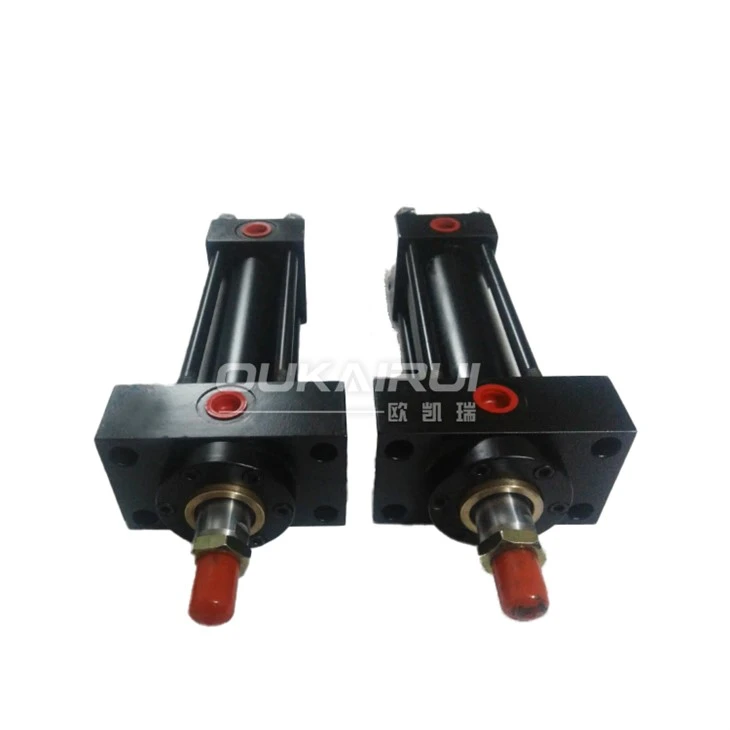
For example, in a hot and humid environment, you might want a cylinder with a corrosion - resistant coating to prevent rust. In a dusty environment, a cylinder with a good sealing system will be necessary to keep the dust out and prevent damage to the internal components.
5. Check the Speed Requirements
The speed at which the cylinder needs to operate is another consideration. Some applications require the cylinder to move quickly, while others need a slower, more controlled movement.
The speed of the cylinder is determined by the flow rate of the hydraulic fluid. If you need a fast - moving cylinder, you'll need a system that can provide a high flow rate of fluid. However, keep in mind that increasing the flow rate also increases the power requirements of the system.
6. Think about the Cost
Cost is always a factor when making any purchase. You want to get the best value for your money, but you also don't want to sacrifice quality.
When comparing different LTR Cylinders, look at the price, but also consider the long - term costs. A more expensive cylinder might have a longer lifespan, require less maintenance, and be more energy - efficient, which can save you money in the long run.
Specific Cylinder Options
We have a couple of popular options that might fit your needs. The 3L Cylinder is a great choice for applications that require a medium amount of force and a relatively short stroke length. It's known for its compact design and high - quality construction.
If you need a more powerful cylinder, the 2HP Cylinder might be the way to go. It can generate a large amount of force and is suitable for heavy - duty applications.
Conclusion
Choosing the right LTR Cylinder for your application is a process that requires careful consideration of several factors. By determining the force requirements, stroke length, mounting style, operating environment, speed requirements, and cost, you can make an informed decision.
If you're still not sure which cylinder is the best fit for your needs, don't hesitate to reach out. I'm here to help you find the perfect LTR Cylinder for your application. Whether you're a small business owner or part of a large corporation, we can provide you with the right solution.
Contact us today to start the conversation about your LTR Cylinder needs. We'll work with you to understand your requirements and recommend the best cylinder for your situation. Let's get your project up and running smoothly!
References
- Hydraulic Cylinder Handbook, Industrial Press Inc.
- Principles of Hydraulic Systems, McGraw - Hill Education