

What is the frequency range of a Parker motor?
Oct 23, 2025
Hey there! As a supplier of Parker motors, I often get asked about the frequency range of these motors. So, I thought I'd take a moment to break it down for you.
First off, let's understand why the frequency range matters. The frequency range of a motor is crucial because it determines how the motor will perform under different operating conditions. It affects things like speed, torque, and overall efficiency. Different applications require different frequency ranges to ensure optimal performance.
Parker offers a wide variety of motors, each with its own specific frequency range depending on the type and model. For example, some of the smaller motors might have a relatively narrow frequency range, while the larger, more powerful ones can handle a broader spectrum.
Let's start with the Parker USA M6FN1D3 Motor. This motor is known for its reliability and efficiency. The frequency range of the Parker USA M6FN1D3 Motor is typically designed to work well within a specific band. Usually, it can operate smoothly at frequencies that are common in industrial settings. The exact range might vary a bit depending on the specific configuration and the load it's under. But generally, it's optimized to handle frequencies that are in line with standard power supplies used in most factories and manufacturing plants.
Another popular model is the GM5 Motor. The GM5 Motor is a versatile option that can be used in a variety of applications, from small machinery to more complex systems. Its frequency range is engineered to provide a good balance between power and control. It can adapt to different frequencies to meet the demands of different tasks. For instance, in applications where there are sudden changes in load or speed requirements, the GM5 Motor can adjust its performance within its frequency range to maintain stability and efficiency.
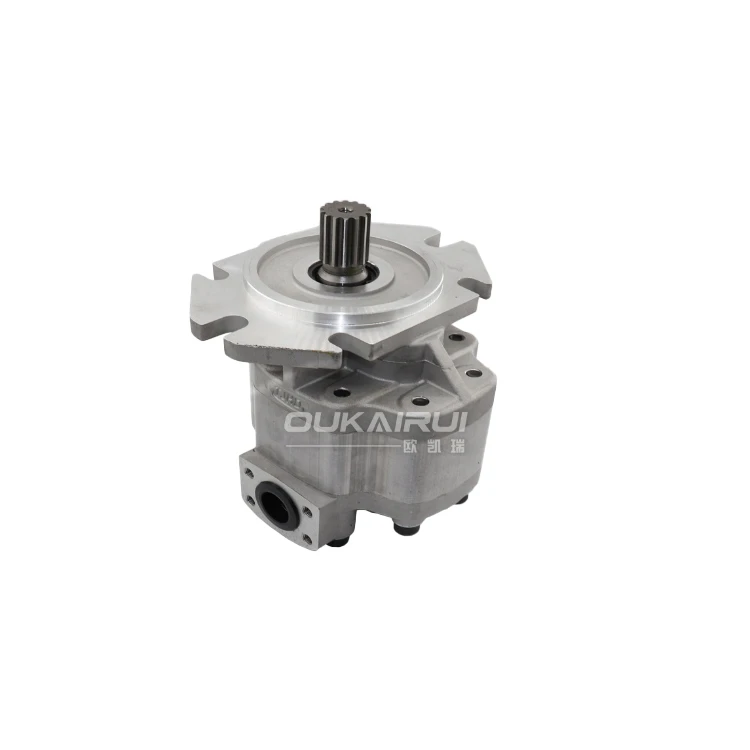
Then we have the F1 - 051 F1 - 061 Piston Motor Oil Pump With Crane. This is a heavy - duty motor designed for more demanding applications, like cranes. The frequency range of this motor is tailored to handle the high - power requirements and the dynamic nature of crane operations. It needs to be able to operate at frequencies that can provide enough torque to lift heavy loads and also be responsive enough to control the movement of the crane precisely.
Now, let's talk about how the frequency range affects the motor's performance. When a motor operates within its optimal frequency range, it can deliver maximum efficiency. This means that it uses less energy to do the same amount of work, which can save you money in the long run. It also reduces wear and tear on the motor components, extending the motor's lifespan.
On the other hand, if a motor is forced to operate outside of its frequency range, it can lead to a number of problems. For example, if the frequency is too low, the motor might not be able to generate enough torque to drive the load. This can cause the motor to overheat, which can damage the windings and other internal components. If the frequency is too high, the motor might spin too fast, leading to excessive vibration and noise. It can also put additional stress on the bearings and other mechanical parts.
So, how do you determine the right frequency range for your specific application? Well, it's important to consider a few factors. First, think about the type of load the motor will be driving. Is it a light load, like a small conveyor belt, or a heavy load, like a large industrial mixer? The heavier the load, the more power and a wider frequency range might be required.

You also need to look at the power supply available in your location. Different regions have different standard frequencies for their electrical grids. In the United States, the standard frequency is 60 Hz, while in many other parts of the world, it's 50 Hz. Make sure the motor you choose can operate effectively at the frequency of your local power supply.
Another factor is the speed requirements of your application. If you need the motor to run at a constant speed, you'll want to select a motor with a frequency range that can maintain that speed accurately. If you need variable speed control, look for a motor that can handle a wider frequency range and has the ability to adjust its speed smoothly.
As a Parker motor supplier, I can help you figure out the best motor and its appropriate frequency range for your needs. Whether you're a small business owner looking for a motor for a single machine or a large corporation in need of multiple motors for a complex production line, I've got you covered.
If you're in the market for a Parker motor, don't hesitate to reach out. I can provide you with detailed information about the frequency ranges of different models, as well as help you with installation, maintenance, and any other questions you might have. Contact me today to start a discussion about your specific requirements and find the perfect Parker motor for your application.
References:
- Parker Hannifin Corporation product manuals
- Industry standards and guidelines for hydraulic motors