

What is the difference between a variable motor and a fixed - speed motor?
Jul 23, 2025
What is the difference between a variable motor and a fixed - speed motor?
In the realm of industrial machinery and equipment, motors play a crucial role in powering various operations. Two common types of motors that are widely used are variable motors and fixed - speed motors. As a variable motor supplier, I have witnessed firsthand the unique characteristics and applications of these two types of motors, and I'm excited to share the differences between them.
1. Basic Definitions
A fixed - speed motor, as the name implies, operates at a constant speed. Once it is started, it runs at a pre - determined, unchanging rotational speed. This speed is typically determined by the frequency of the power supply and the motor's design characteristics, such as the number of poles. For example, in a standard AC induction motor, the synchronous speed is calculated by the formula (n_s=\frac{120f}{p}), where (n_s) is the synchronous speed in revolutions per minute (RPM), (f) is the frequency of the power supply (usually 50 or 60 Hz), and (p) is the number of poles.
On the other hand, a variable motor is designed to operate at different speeds. It can adjust its rotational speed according to the requirements of the application. This adjustment can be achieved through various methods, such as hydraulic control, electronic control, or mechanical means.
2. Speed Control
The most obvious difference between a variable motor and a fixed - speed motor lies in their speed control capabilities. A fixed - speed motor lacks the ability to change its speed during normal operation. This makes it suitable for applications where a constant speed is required, such as in some conveyor systems, fans, and pumps that operate under stable load conditions. For instance, a ventilation fan in a factory may only need to run at a single, fixed speed to maintain proper air circulation.
In contrast, a variable motor offers great flexibility in speed control. It can be adjusted to run at different speeds depending on the load, process requirements, or operator commands. This is particularly useful in applications where the load varies frequently. For example, in a hydraulic press, the motor needs to operate at different speeds during the pressing and retracting stages. A variable motor can easily adapt to these changing requirements, providing optimal performance and energy efficiency.
3. Energy Efficiency
Energy efficiency is a critical factor in modern industrial applications. Fixed - speed motors are often less energy - efficient when the load varies. Since they run at a constant speed, they may consume more energy than necessary when the load is light. For example, a fixed - speed pump may continue to draw a large amount of power even when the demand for fluid flow is low, resulting in wasted energy.
Variable motors, on the other hand, can significantly improve energy efficiency. By adjusting the speed according to the load, they can match the power output to the actual demand. When the load is light, the motor can run at a lower speed, consuming less energy. This not only reduces operating costs but also has a positive impact on the environment. For example, in a variable - speed drive system for an elevator, the motor can adjust its speed based on the number of passengers and the direction of travel, saving a substantial amount of energy over time.
4. Torque Characteristics
Torque is the rotational force produced by a motor. Fixed - speed motors typically have a relatively constant torque output at their rated speed. However, their torque - speed characteristics may not be suitable for applications that require high starting torque or torque variation. For example, in a conveyor system that needs to start with a heavy load, a fixed - speed motor may struggle to provide enough torque at startup, leading to slow acceleration or even stalling.
Variable motors can offer more flexible torque characteristics. They can be designed to provide high starting torque when needed and adjust the torque output according to the speed and load requirements. This makes them ideal for applications such as cranes, where high torque is required for lifting heavy loads and different torque levels are needed during the lifting and lowering processes.
5. Cost
The cost of a motor is an important consideration for any industrial project. Fixed - speed motors are generally less expensive to purchase and install. They have a simpler design and fewer components compared to variable motors, which results in lower manufacturing and installation costs. Additionally, the control systems for fixed - speed motors are usually more straightforward, further reducing the overall cost.
Variable motors, however, tend to be more expensive upfront. The additional components and control systems required for speed adjustment increase the manufacturing cost. Moreover, the installation and commissioning of variable motors may require more technical expertise, which can also add to the cost. However, it's important to note that the long - term cost savings in energy consumption and improved productivity may offset the initial investment.
6. Applications
The differences in speed control, energy efficiency, torque characteristics, and cost make variable motors and fixed - speed motors suitable for different applications.
Fixed - speed motors are commonly used in applications where a constant speed and simple operation are required. Some examples include:
- Conveyor systems: In many manufacturing and distribution facilities, fixed - speed conveyors are used to transport products at a constant speed.
- Fans and blowers: Ventilation fans and industrial blowers often operate at a single, fixed speed to maintain air circulation.
- Pumps: Water pumps in some water supply systems or irrigation systems may run at a constant speed to provide a steady flow of water.
Variable motors are preferred in applications that require speed adjustment, high torque, or energy efficiency. Some examples include:
- Machine tools: In milling machines, lathes, and other machine tools, variable motors are used to adjust the cutting speed according to the material and the machining process.
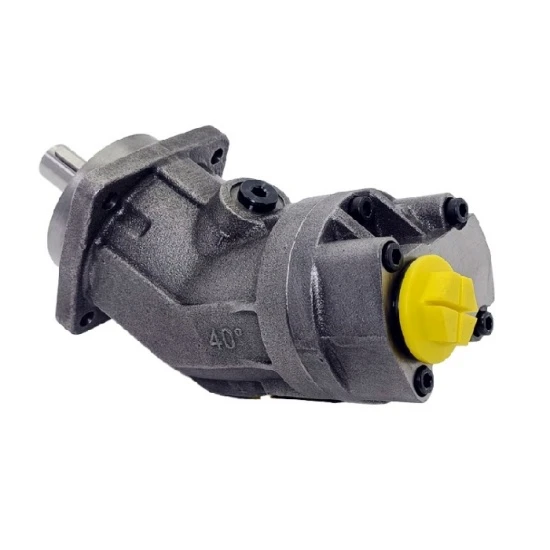
- Hydraulic systems: Hydraulic motors, such as the REXROTH A2FO10/61R - PPB06 Hydraulic Motor, Rexroth A2FM10/61W - VAB027 A2FM12/61W - VAB027 Motor, and A6VM Rexroth Motor, are widely used in construction equipment, industrial machinery, and mobile applications. These motors can adjust their speed and torque according to the hydraulic pressure and flow, providing precise control and high performance.
- Elevators and escalators: Variable - speed motors are used to control the movement of elevators and escalators, ensuring smooth and efficient operation.
Conclusion
In summary, variable motors and fixed - speed motors have distinct differences in speed control, energy efficiency, torque characteristics, cost, and applications. As a variable motor supplier, I understand that choosing the right motor for a specific application is crucial for achieving optimal performance and cost - effectiveness. If you are looking for a motor that can provide flexibility, energy savings, and high - performance operation, a variable motor may be the ideal choice.

If you have any questions about variable motors or are interested in exploring our product range, please feel free to contact us for a detailed consultation. We are committed to providing high - quality variable motors and excellent customer service to meet your industrial needs.
References
- Chapman, S. J. (2012). Electric Machinery Fundamentals. McGraw - Hill.
- Fitzgerald, A. E., Kingsley, C., & Umans, S. D. (2003). Electric Machinery. McGraw - Hill.
- Trutt, W. E. (2003). Hydraulic and Pneumatic Systems. Delmar Learning.