

How to check the leakage of a PV Variable Pump?
Dec 04, 2025
Hey there! As a supplier of PV Variable Pumps, I've seen my fair share of issues with these pumps, and one of the most common problems is leakage. Leakage can not only lead to a loss of efficiency but also cause damage to the pump and other components in the system. So, I thought I'd share some tips on how to check the leakage of a PV Variable Pump.
Visual Inspection
The first step in checking for leakage is a simple visual inspection. Start by looking at the pump itself. Check around all the connections, seals, and gaskets for any signs of oil. A small amount of oil residue might just be normal seepage, but if you see large drips or a continuous stream of oil, that's a clear sign of a leak.
Look closely at the shaft seal area. This is a common spot for leaks because it has to deal with the rotating shaft. If you notice oil around the shaft, it could mean the shaft seal is worn out or damaged. Also, check the flanges where the pump is connected to the pipes or other components. Loose bolts or damaged gaskets at these points can cause leaks.
Pressure Testing
Pressure testing is a more accurate way to detect leaks. You'll need a pressure gauge for this. First, make sure the pump is turned off and the system is depressurized. Then, connect the pressure gauge to the pump's outlet port.
Start the pump and gradually increase the pressure to the normal operating level. Keep an eye on the pressure gauge. If the pressure drops unexpectedly, it could indicate a leak. You can also listen for any hissing sounds, which might suggest a leak in a high - pressure area.
While the pump is running at the set pressure, carefully inspect all the pump components again. Sometimes, a leak might not be visible at low pressures but becomes apparent when the pressure is increased. If you find a leak during the pressure test, mark the location so you can address it later.
Flow Rate Monitoring
Another method to check for leakage is by monitoring the flow rate. You can use a flow meter for this. Measure the flow rate at the pump's outlet. Compare the measured flow rate with the pump's rated flow rate.
If the measured flow rate is significantly lower than the rated flow rate, it could be due to a leak. The leaked oil is not being delivered to the system, so the overall flow rate is reduced. However, keep in mind that other factors like clogged filters or worn - out pump components can also cause a decrease in flow rate. So, you'll need to do further investigation to confirm that the issue is a leak.
Ultrasonic Leak Detection
Ultrasonic leak detection is a high - tech way to find leaks. Ultrasonic detectors can pick up the high - frequency sounds produced by a leak. These sounds are often inaudible to the human ear but can be detected by the device.
To use an ultrasonic detector, turn on the pump and let it run. Then, slowly move the detector around the pump and its connections. When the detector picks up the ultrasonic signal from a leak, it will alert you, usually with a beeping sound or a visual indicator on the device. This method is great for finding small leaks that might be hard to detect with other methods.
Common Leak Locations and Solutions
As I mentioned earlier, the shaft seal is a common leak point. If you find a leak at the shaft seal, you'll probably need to replace it. Make sure to use a high - quality replacement seal that is compatible with your PV Variable Pump.
Leaks at the flanges can often be fixed by tightening the bolts. But if the gasket is damaged, you'll need to replace it. Use a proper gasket material that can withstand the pressure and temperature of your system.
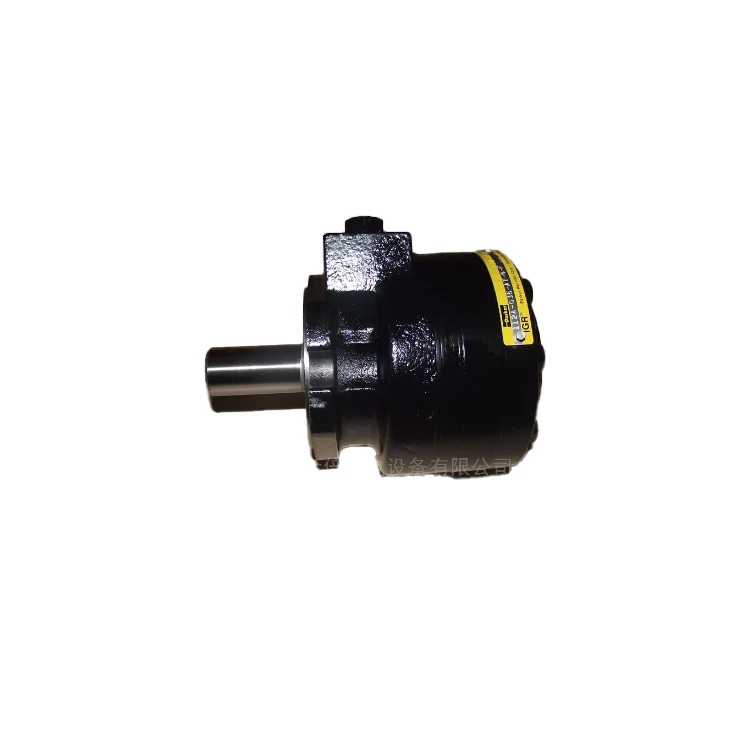

Sometimes, cracks in the pump housing can cause leaks. If you find a crack, it's a serious issue. Depending on the size and location of the crack, you might be able to repair it with a suitable epoxy or welding (if the material allows). However, in some cases, you may need to replace the entire pump housing.
Related Products
If you're in the market for other hydraulic components, we also offer some great products. For example, we have the F1 - 051 F1 - 061 Piston Motor Oil Pump With Crane, which is a reliable option for crane applications. The Parker Hydraulic Motor F11 - 005 - MB - CV - K - 000 - 000 - 0 is another high - quality product that can work well in various hydraulic systems. And if you need an oil motor, the 112A Oil Motor is a great choice.
Conclusion
Checking for leakage in a PV Variable Pump is an important part of maintenance. By doing regular visual inspections, pressure testing, flow rate monitoring, and using ultrasonic leak detection when necessary, you can catch leaks early and prevent further damage to the pump and the system.
If you're having trouble with your PV Variable Pump or need more information about our products, don't hesitate to reach out. We're here to help you with all your hydraulic needs. Whether you're looking for a new pump, replacement parts, or just need some advice on pump maintenance, we've got you covered. Contact us to start a discussion about your requirements and let's find the best solutions together.
References
- "Hydraulic Pump Handbook" - A comprehensive guide on hydraulic pumps and their maintenance.
- Manufacturer's manuals for PV Variable Pumps, which provide detailed information on the pump's design and troubleshooting.