

Are there any safety precautions when using a PV Variable Pump?
Dec 04, 2025
When it comes to the industrial use of PV Variable Pumps, safety is of paramount importance. As a supplier of PV Variable Pumps, I understand the critical role these pumps play in various applications and the necessity of adhering to strict safety precautions. In this blog, I will delve into the essential safety measures that users should take when operating a PV Variable Pump.

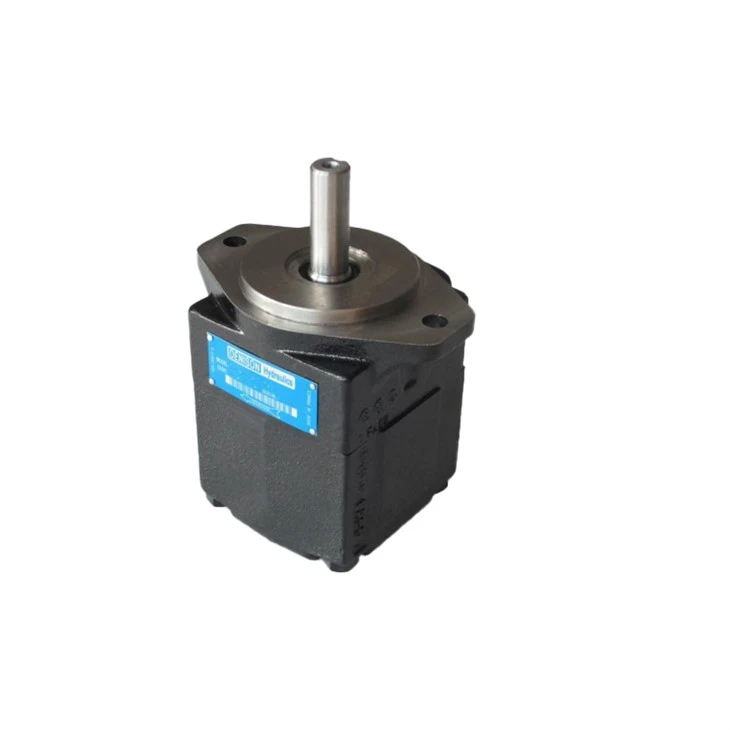
Understanding the PV Variable Pump
Before discussing safety precautions, it's crucial to have a basic understanding of what a PV Variable Pump is. A PV Variable Pump is a type of hydraulic pump that can adjust its displacement volume according to the system's requirements. This flexibility makes it highly efficient and suitable for a wide range of industrial applications, such as construction machinery, agricultural equipment, and manufacturing processes.
Pre - operation Safety Checks
Visual Inspection
Before starting the PV Variable Pump, a thorough visual inspection is necessary. Check for any visible signs of damage, such as cracks, leaks, or loose connections. Inspect the pump housing, pipes, and fittings for any signs of wear or corrosion. If any damage is detected, the pump should not be operated until the issue is resolved. For example, a small crack in the pump housing could lead to a hydraulic fluid leak, which not only poses a safety hazard but also affects the pump's performance.
Fluid Level and Quality
The hydraulic fluid in the PV Variable Pump is essential for its proper operation. Check the fluid level in the reservoir and ensure it is within the recommended range. Low fluid levels can cause the pump to overheat and damage its internal components. Additionally, examine the quality of the hydraulic fluid. If the fluid is dirty, contaminated, or has an unusual odor, it should be replaced. Contaminated fluid can cause abrasive wear on the pump's internal parts and reduce its lifespan.
Electrical Connections (if applicable)
If the PV Variable Pump is electrically powered, inspect the electrical connections for any signs of damage or loose wires. Make sure all connections are secure and properly insulated. Faulty electrical connections can lead to short circuits, electrical shocks, or even fires.
Operational Safety Precautions
Proper Installation
The PV Variable Pump must be installed correctly according to the manufacturer's instructions. Ensure that the pump is mounted securely on a stable surface to prevent vibration and movement during operation. Incorrect installation can cause excessive stress on the pump's components, leading to premature failure. For instance, if the pump is not properly aligned with the drive shaft, it can cause uneven wear on the bearings and seals.
Operating Pressure and Temperature
It is crucial to operate the PV Variable Pump within the recommended pressure and temperature ranges. Exceeding the maximum operating pressure can cause the pump to fail catastrophically, leading to a sudden release of high - pressure hydraulic fluid. Similarly, operating the pump at temperatures outside the specified range can affect the viscosity of the hydraulic fluid and damage the pump's internal components. Regularly monitor the pressure and temperature gauges to ensure safe operation.
Avoiding Cavitation
Cavitation is a phenomenon that occurs when the pressure in the hydraulic fluid drops below its vapor pressure, causing the formation of vapor bubbles. These bubbles collapse when they enter a high - pressure area, creating shock waves that can damage the pump's internal parts. To avoid cavitation, ensure that the suction line is properly sized and free of restrictions. Also, maintain a sufficient fluid level in the reservoir to prevent air from being drawn into the pump.
Training and Certification
Only trained and certified personnel should operate the PV Variable Pump. Operators should be familiar with the pump's controls, safety features, and emergency procedures. They should also understand the potential hazards associated with the pump and how to prevent accidents. Regular training sessions can help keep operators updated on the latest safety practices and ensure safe operation.
Maintenance and Safety
Regular Maintenance Schedule
Establish a regular maintenance schedule for the PV Variable Pump. This includes tasks such as changing the hydraulic fluid, replacing filters, and inspecting seals and gaskets. Regular maintenance helps to identify and address potential issues before they become major problems. For example, replacing the hydraulic filter at the recommended intervals can prevent contaminants from entering the pump and causing damage.
Lock - out/Tag - out Procedures
When performing maintenance or repairs on the PV Variable Pump, it is essential to follow lock - out/tag - out procedures. This involves isolating the pump from its power source and applying a lock and tag to prevent accidental startup. This procedure protects maintenance personnel from potential hazards, such as electrical shocks and hydraulic fluid leaks.
Safety in the Workplace
Personal Protective Equipment (PPE)
Operators and maintenance personnel should wear appropriate personal protective equipment when working with the PV Variable Pump. This includes safety glasses, gloves, and protective clothing. PPE helps to protect against potential hazards, such as hydraulic fluid splashes and flying debris.
Workplace Ventilation
If the PV Variable Pump is used in an enclosed space, proper ventilation is necessary. Hydraulic fluid can release harmful vapors, especially when it is heated or under pressure. Adequate ventilation helps to remove these vapors from the workplace and protect the health of workers.
Related Products and Their Safety
In addition to PV Variable Pumps, we also supply other hydraulic products such as the F11 Oil Motor, PARKER Hydraulic Motor M5AF Variable Hydraulic Pump Motor, and 112A Oil Motor. Similar safety precautions should be taken when using these products. For example, visual inspections, proper installation, and regular maintenance are essential for all hydraulic equipment to ensure safe and reliable operation.
Conclusion
Safety is a top priority when using a PV Variable Pump. By following the safety precautions outlined in this blog, users can minimize the risk of accidents and ensure the long - term reliability of the pump. As a supplier, we are committed to providing high - quality PV Variable Pumps and supporting our customers with the necessary safety information. If you are interested in purchasing a PV Variable Pump or have any questions about safety, please feel free to contact us for further discussion and procurement.
References
- Hydraulic Pump Handbook, Manufacturer's Manual
- Occupational Safety and Health Administration (OSHA) Guidelines for Hydraulic Equipment