

What is the speed range of hydraulic motors?
Dec 30, 2025
As a hydraulic motor supplier, I often get asked about the speed range of hydraulic motors. It's a crucial topic because the speed range determines the motor's applicability in various industrial and mobile applications. In this blog, I'll break down what the speed range of hydraulic motors is, what factors affect it, and how you can pick the right one for your needs.
Understanding the Basics of Hydraulic Motor Speed
Let's start with the fundamentals. The speed of a hydraulic motor is measured in revolutions per minute (RPM). The speed range of a hydraulic motor refers to the minimum and maximum RPMs it can operate within. This range can vary widely depending on the type of hydraulic motor, its design, and its intended use.
There are different types of hydraulic motors, including gear motors, vane motors, and piston motors. Each type has its own typical speed range.
- Gear motors are known for their simplicity and durability. They usually have a relatively wide speed range, typically from around 100 RPM to 3000 RPM. Gear motors are great for applications where you need a consistent and reliable speed, like in some conveyor systems. You can check out our 380V Gear Reduction Motor 200W 400W for an example of a gear motor that offers a good speed range.
- Vane motors offer a smooth operation and can achieve moderate to high speeds. Their speed range generally falls between 500 RPM and 3000 RPM. Vane motors are often used in machine tools and some mobile equipment.
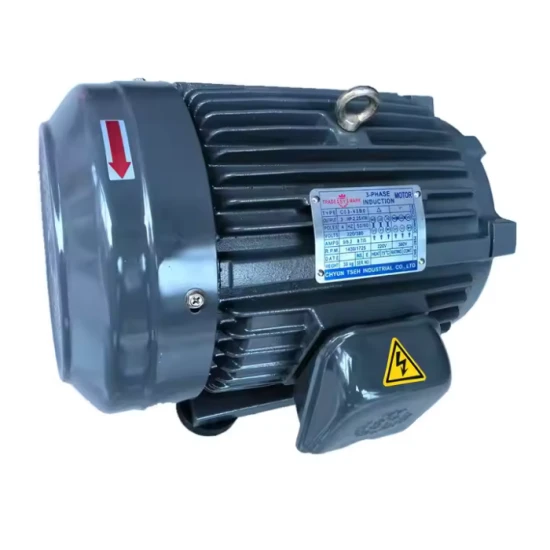
- Piston motors are the high - performance option. They can handle high pressures and offer a wide range of speeds. Some piston motors can operate from as low as 10 RPM up to 5000 RPM or even higher in some specialized models. Our C03 - 43B0 3HP 2.2KW/2.25KW Hydraulic Internal Shaft Motor is an example of a high - quality piston motor that provides a great speed range for demanding applications.
Factors Affecting the Speed Range
Several factors can influence the speed range of a hydraulic motor:
1. Fluid Flow Rate
The flow rate of the hydraulic fluid is a major determinant of the motor's speed. The more fluid that is pumped into the motor, the faster it will spin. However, there are limits. If the flow rate is too high, it can cause cavitation and damage the motor. On the other hand, if the flow rate is too low, the motor may not reach its minimum operating speed.
2. Pressure
The pressure of the hydraulic fluid also affects the motor's speed. Higher pressures can generally increase the motor's torque and speed. But just like with flow rate, there are limits. Excessive pressure can lead to mechanical stress on the motor components and reduce its lifespan.
3. Load
The load on the motor has a significant impact on its speed. A heavier load will cause the motor to slow down. If you try to operate a motor under a load that is too high for its capacity, it may not be able to reach its rated speed or may even stall.
4. Motor Design
The internal design of the motor, such as the number of gears, vanes, or pistons, can affect its speed range. For example, a motor with more pistons may be able to achieve higher speeds and better torque control.
Applications and Speed Requirements
Different applications have different speed requirements. Here are some common examples:
Industrial Machinery
In manufacturing, hydraulic motors are used in various machines. For example, in a lathe, a hydraulic motor may need to operate at relatively high speeds (around 1000 - 3000 RPM) to drive the cutting tool. In contrast, a press machine may require a lower speed (around 100 - 500 RPM) but high torque to apply pressure.
Mobile Equipment
In construction and agricultural equipment, hydraulic motors are used for tasks like driving wheels, operating booms, and powering attachments. For a skid - steer loader, the wheels' hydraulic motors need to be able to operate at different speeds depending on whether the machine is moving forward, backward, or turning. Low - speed high - torque motors like our Low Speed High Torque Hydraulic Horse BMR - 100 BMR - 125 are often used in applications where high pulling power is needed at low speeds, such as in some winches or large agricultural machinery.
How to Select the Right Hydraulic Motor Based on Speed Range
When you're choosing a hydraulic motor, it's important to consider the speed range carefully. Here are some steps to follow:

1. Determine Your Application Requirements
Figure out the minimum and maximum speeds your application needs. Consider the load, the type of work, and any specific performance requirements.
2. Evaluate the Motor Types
Based on your speed requirements, decide which type of hydraulic motor (gear, vane, or piston) is most suitable. Remember to also consider other factors like cost, efficiency, and maintenance.
3. Check the Manufacturer's Specifications
Look at the manufacturer's data sheets for the motors you're considering. These will provide detailed information about the motor's speed range, torque, pressure ratings, and other important parameters.
Final Thoughts and Contact for Purchase
Selecting the right hydraulic motor with the appropriate speed range is crucial for the success of your application. At our company, we offer a wide range of hydraulic motors to meet different needs. Whether you're looking for a high - speed motor for a machine tool or a low - speed high - torque motor for heavy - duty equipment, we've got you covered.
If you're interested in purchasing a hydraulic motor or have any questions about our products, feel free to reach out. We're here to help you find the perfect solution for your application.
References
- "Hydraulic Motors and Their Applications" - Industrial Hydraulics Handbook
- "Understanding Hydraulic System Basics" - Fluid Power Journal