

What is the difference between a PV Variable Pump and a variable - displacement axial piston pump?
Dec 12, 2025
Hey there! As a PV Variable Pump supplier, I often get asked about the differences between PV Variable Pumps and variable - displacement axial piston pumps. So, I thought I'd write this blog to break it all down for you.
Let's start with a bit of background. Hydraulic pumps are crucial in a whole bunch of industries, from construction to manufacturing. They're the heart of hydraulic systems, providing the power to move fluid and make things happen. PV Variable Pumps and variable - displacement axial piston pumps are two types of pumps that are widely used, but they've got some key differences.
How They Work
First off, let's talk about how these pumps operate. A PV Variable Pump uses a unique design to control the flow and pressure of the hydraulic fluid. It usually has a swashplate mechanism that can be adjusted to change the displacement of the pump. When you adjust the swashplate angle, you're essentially changing the amount of fluid that the pump can move with each rotation. This gives you a lot of flexibility in terms of controlling the output of the pump.
On the other hand, a variable - displacement axial piston pump also uses a swashplate or a wobble plate to control displacement. The pistons in this pump are arranged axially, parallel to the drive shaft. As the shaft rotates, the pistons move back and forth in their cylinders, sucking in and pushing out fluid. By changing the angle of the swashplate or wobble plate, you can vary the stroke length of the pistons, which in turn changes the displacement of the pump.
Performance and Efficiency
When it comes to performance, both pumps have their strengths. PV Variable Pumps are known for their smooth operation and precise control. They can handle a wide range of pressures and flow rates, making them suitable for many different applications. They're also relatively quiet compared to some other types of pumps, which is a big plus in environments where noise is a concern.
Variable - displacement axial piston pumps, on the other hand, are often more efficient at high pressures. They can deliver a large amount of power in a relatively small package, which makes them a popular choice for heavy - duty applications. These pumps can also respond quickly to changes in load, which is important in systems where the demand for fluid can vary rapidly.
Applications
The choice between a PV Variable Pump and a variable - displacement axial piston pump often depends on the specific application. PV Variable Pumps are commonly used in applications where precise control is required, such as in machine tools and robotics. They're also a good choice for applications where the load is relatively constant, as they can maintain a stable output over time.
Variable - displacement axial piston pumps, on the other hand, are often used in construction equipment, such as excavators and bulldozers. They're also used in industrial presses and other heavy - duty machinery where high pressure and high power are needed.
Cost and Maintenance
Cost is always a factor when choosing a pump. PV Variable Pumps are generally more affordable than variable - displacement axial piston pumps. They're also easier to maintain in some cases, as they have a simpler design. However, the cost of maintenance can vary depending on the specific model and the frequency of use.
Variable - displacement axial piston pumps are more expensive upfront, but they can offer better long - term value in applications where high efficiency and performance are critical. They may require more complex maintenance procedures, but if they're well - maintained, they can last a long time.
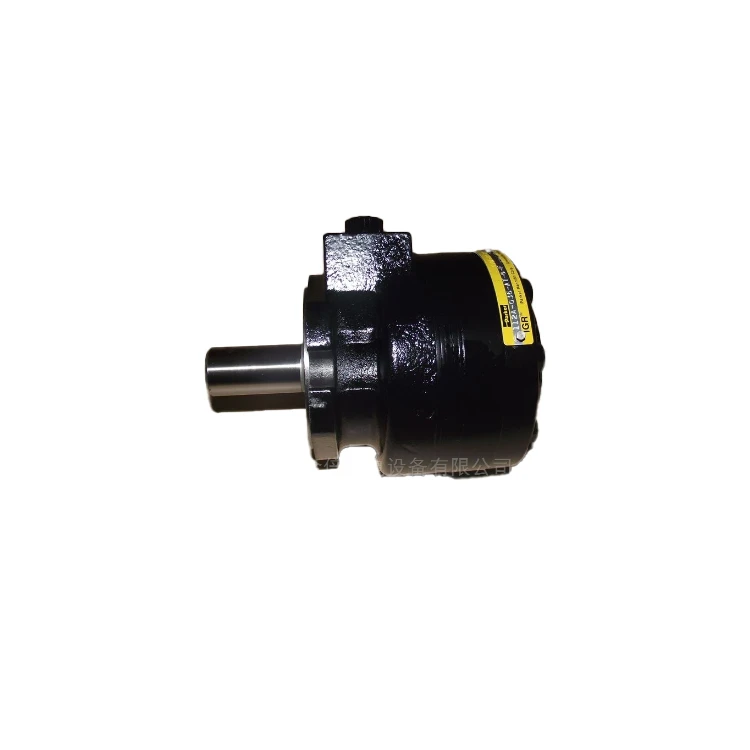

Some Product Links
If you're interested in learning more about specific hydraulic pumps and motors, check out these links:
- Inclined Shaft Piston Pump F1 - 025/F1 - 041 Motor
- 112A Oil Motor
- PARKER Hydraulic Motor M5AF Variable Hydraulic Pump Motor
Conclusion
So, in a nutshell, the main differences between PV Variable Pumps and variable - displacement axial piston pumps lie in their design, performance, applications, cost, and maintenance. PV Variable Pumps are great for applications that need precise control and are on a budget, while variable - displacement axial piston pumps shine in high - pressure, heavy - duty applications.
If you're in the market for a hydraulic pump and you're not sure which one is right for you, I'd be more than happy to help. Just reach out, and we can have a chat about your specific needs. Whether it's a PV Variable Pump or another type of pump, I'm confident we can find the perfect solution for your hydraulic system.
References
- Hydraulic Pump Handbook
- Industrial Hydraulics Textbooks