

What are the heat - dissipation requirements for a parker cylinder?
Nov 04, 2025
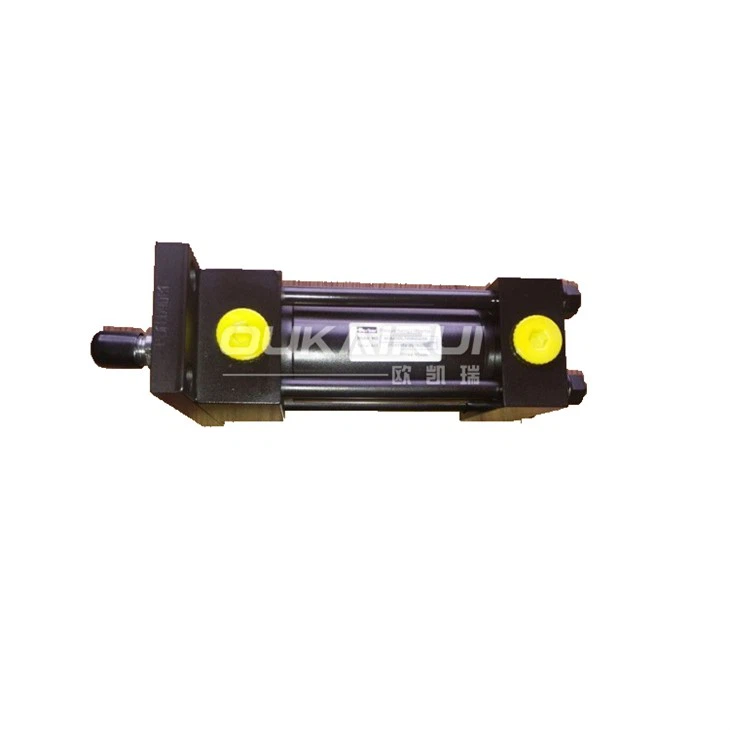
Hey there! As a supplier of Parker cylinders, I often get asked about the heat - dissipation requirements for these bad boys. So, I thought I'd sit down and write this blog to share everything I know.
First off, let's talk about why heat dissipation is such a big deal for Parker cylinders. You see, when a cylinder is in operation, it generates heat. This heat comes from various sources, like friction between the piston and the cylinder wall, and the energy losses in the hydraulic fluid. If this heat isn't dissipated properly, it can cause a whole bunch of problems.
One of the main issues is the effect on the hydraulic fluid. High temperatures can cause the fluid to break down. When that happens, its viscosity changes, which means it doesn't lubricate as well as it should. This can lead to increased wear and tear on the internal components of the cylinder, like the seals and the piston rings. And we all know that worn - out parts mean reduced performance and a shorter lifespan for the cylinder.
Another problem is the expansion of materials. Different parts of the cylinder are made of different materials, and they all expand at different rates when heated. If the heat isn't managed, this differential expansion can cause misalignment within the cylinder. This misalignment can lead to leaks, reduced efficiency, and even complete failure in extreme cases.
So, what are the heat - dissipation requirements for a Parker cylinder? Well, it depends on a few factors.
1. Operating Conditions
The environment in which the cylinder operates plays a huge role. If the cylinder is used in a hot climate, say in a desert or in a factory with high ambient temperatures, it's going to need better heat - dissipation capabilities. For example, if you're using a 3L Cylinder in a place where the outside temperature can reach 40°C or more, you'll need to make sure it has proper ventilation and cooling mechanisms.
On the other hand, if the cylinder is used in a cooler environment, like a refrigerated warehouse, the heat - dissipation requirements won't be as strict. But that doesn't mean you can ignore it completely. Even in a cool place, the heat generated during operation still needs to be removed to maintain optimal performance.
2. Duty Cycle
How often the cylinder is used also matters. A cylinder with a high - duty cycle, meaning it's in operation for long periods without much downtime, will generate more heat. Take the 2HP Cylinder for instance. If it's used in a continuous manufacturing process where it's constantly extending and retracting, it will produce a significant amount of heat. In this case, you'll need to have a more efficient heat - dissipation system in place.
In contrast, a cylinder with a low - duty cycle, like one that's only used occasionally for light - duty tasks, won't generate as much heat. But again, you still need to ensure that the heat that is generated is dissipated to prevent any long - term damage.
3. Cylinder Size and Design
The size and design of the cylinder can affect its heat - dissipation requirements. Larger cylinders generally have more surface area, which can help with heat transfer. However, they also tend to have more internal components and can generate more heat during operation. For example, the 35Z - 1 Cylinder is a relatively large cylinder. It may have a greater capacity for heat dissipation due to its size, but it also needs to handle more heat because of its power and the amount of work it can do.
The design of the cylinder also matters. Some cylinders are designed with built - in cooling fins or channels that help increase the surface area for heat transfer. These features can significantly improve the heat - dissipation capabilities of the cylinder.
Heat - Dissipation Solutions
Now that we know what affects the heat - dissipation requirements, let's talk about some solutions.
1. Cooling Fins
As I mentioned earlier, some cylinders come with cooling fins. These fins increase the surface area of the cylinder, allowing more heat to be transferred to the surrounding air. They work like the fins on a radiator in a car. The more surface area there is, the more heat can be dissipated.
2. External Cooling Systems
In some cases, you may need to use external cooling systems. This could be a fan that blows air over the cylinder to increase the rate of heat transfer. Or, you could use a liquid - cooling system. Liquid - cooling systems are more efficient but also more complex and expensive. They work by circulating a coolant around the cylinder to absorb the heat and then dissipating that heat through a radiator.
3. Proper Installation
How the cylinder is installed can also affect heat dissipation. Make sure there is enough space around the cylinder for air to circulate. If the cylinder is mounted in a tight space, it can trap heat and prevent proper dissipation. Also, ensure that the hydraulic lines are properly routed and not blocking the airflow around the cylinder.
In conclusion, understanding the heat - dissipation requirements for a Parker cylinder is crucial for ensuring its optimal performance and longevity. Whether you're using a 3L Cylinder, a 2HP Cylinder, or a 35Z - 1 Cylinder, taking the time to consider these requirements and implementing the right solutions can save you a lot of headaches in the long run.
If you're in the market for Parker cylinders or need more information about heat - dissipation requirements, don't hesitate to reach out. We're here to help you make the best choice for your specific needs. Whether it's choosing the right cylinder or setting up the proper heat - dissipation system, we've got you covered. Let's start a conversation and see how we can work together to meet your hydraulic needs.

References
- Parker Hannifin Corporation. Hydraulic Cylinder Technical Manual.
- Fluid Power Handbook. Various authors.