

How to compensate for the impact of temperature changes on an MMB Cylinder?
Jan 06, 2026
As a supplier of MMB Cylinders, I've witnessed firsthand the challenges that temperature changes pose to the performance and longevity of these hydraulic components. Temperature variations can significantly affect the viscosity of hydraulic fluids, the expansion and contraction of cylinder materials, and ultimately, the overall efficiency of the MMB Cylinder. In this blog post, I'll share some effective strategies to compensate for the impact of temperature changes on an MMB Cylinder, ensuring optimal performance in diverse environmental conditions.
Understanding the Effects of Temperature Changes on MMB Cylinders
Before delving into compensation strategies, it's crucial to understand how temperature changes affect MMB Cylinders. Hydraulic cylinders rely on hydraulic fluid to transfer power and control movement. When the temperature rises, the viscosity of the hydraulic fluid decreases, leading to reduced lubrication and increased internal leakage. This can result in decreased cylinder efficiency, slower response times, and potential damage to internal components.
Conversely, when the temperature drops, the viscosity of the hydraulic fluid increases, making it more difficult for the fluid to flow through the system. This can cause increased pressure losses, reduced cylinder speed, and even system failures in extreme cases. Additionally, temperature changes can cause the expansion and contraction of cylinder materials, leading to dimensional changes and potential misalignment of internal components.
Selecting the Right Hydraulic Fluid
One of the most effective ways to compensate for the impact of temperature changes on an MMB Cylinder is to select the right hydraulic fluid. Hydraulic fluids are available in a variety of viscosities and formulations, each designed to perform optimally within a specific temperature range. When selecting a hydraulic fluid, it's important to consider the operating temperature range of the MMB Cylinder and choose a fluid with a viscosity index (VI) that can maintain its viscosity over a wide temperature range.
A high VI hydraulic fluid will have a relatively stable viscosity across a broad temperature range, ensuring consistent performance in both hot and cold conditions. Additionally, some hydraulic fluids are formulated with additives that provide enhanced protection against oxidation, wear, and corrosion, further improving the performance and longevity of the MMB Cylinder.
Implementing Temperature Monitoring and Control Systems
Another important strategy for compensating for the impact of temperature changes on an MMB Cylinder is to implement temperature monitoring and control systems. These systems can help you monitor the temperature of the hydraulic fluid and the cylinder itself, allowing you to take proactive measures to prevent overheating or freezing.
Temperature sensors can be installed in the hydraulic reservoir, the cylinder body, and other critical components to provide real-time temperature data. This data can be used to trigger alarms or automated shutdowns if the temperature exceeds safe operating limits. Additionally, temperature control systems such as heaters and coolers can be installed to maintain the hydraulic fluid at a consistent temperature, regardless of the ambient conditions.
Using Thermal Insulation
Thermal insulation can be an effective way to reduce the impact of temperature changes on an MMB Cylinder. Insulating the cylinder body and the hydraulic lines can help to minimize heat transfer between the cylinder and the surrounding environment, reducing the risk of overheating or freezing.
There are several types of thermal insulation materials available, including fiberglass, foam, and ceramic. The choice of insulation material will depend on the specific application and the operating temperature range of the MMB Cylinder. Additionally, the insulation should be installed properly to ensure maximum effectiveness.
Regular Maintenance and Inspection
Regular maintenance and inspection are essential for ensuring the optimal performance and longevity of an MMB Cylinder, especially in the face of temperature changes. Routine maintenance tasks such as fluid changes, filter replacements, and seal inspections can help to prevent contamination and wear, which can exacerbate the effects of temperature changes.
During maintenance inspections, it's important to check the condition of the cylinder components for signs of damage or wear, such as cracks, scratches, or leaks. Any damaged or worn components should be replaced immediately to prevent further damage to the cylinder. Additionally, the hydraulic fluid should be tested regularly to ensure that it meets the manufacturer's specifications and is still suitable for use in the MMB Cylinder.
Case Studies: Compensating for Temperature Changes in Real-World Applications
To illustrate the effectiveness of these compensation strategies, let's take a look at some real-world case studies of MMB Cylinders operating in challenging temperature conditions.
Case Study 1: A Construction Site in a Hot Climate
A construction company was using MMB Cylinders in a hot climate where the ambient temperature regularly exceeded 40°C (104°F). The company was experiencing issues with reduced cylinder efficiency and increased wear on the internal components due to the high temperature.
To address these issues, the company implemented several compensation strategies. First, they switched to a high VI hydraulic fluid that was specifically formulated for use in high-temperature applications. This fluid maintained its viscosity even at high temperatures, ensuring consistent performance and reducing internal leakage.
Second, the company installed temperature sensors in the hydraulic reservoir and the cylinder body to monitor the temperature in real-time. When the temperature exceeded a safe operating limit, an alarm was triggered, and the system was automatically shut down to prevent damage to the cylinder.
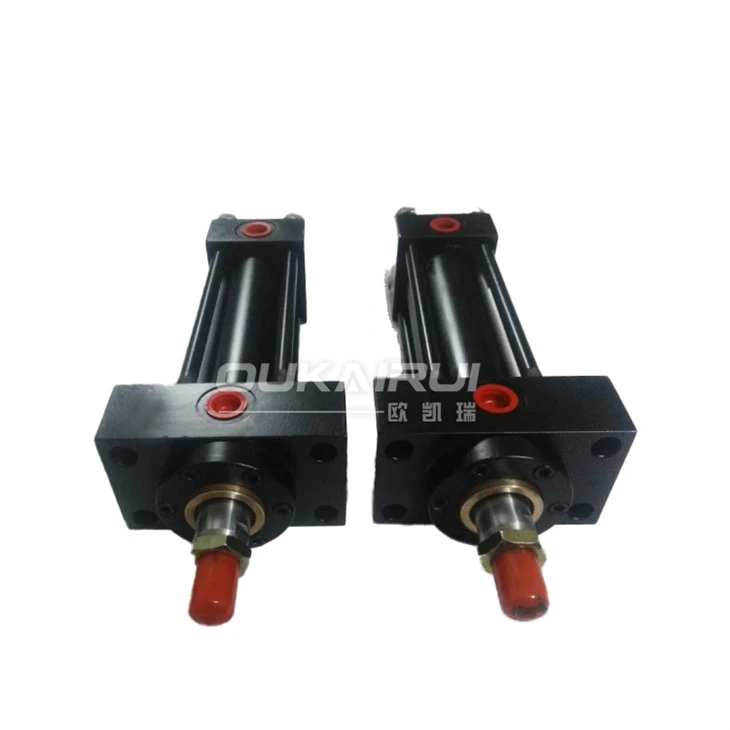

Finally, the company insulated the cylinder body and the hydraulic lines with a high-temperature insulation material to reduce heat transfer and minimize the impact of the hot ambient temperature. These measures helped to improve the performance and longevity of the MMB Cylinders, reducing downtime and maintenance costs.
Case Study 2: A Manufacturing Facility in a Cold Climate
A manufacturing facility was using MMB Cylinders in a cold climate where the ambient temperature regularly dropped below -20°C (-4°F). The company was experiencing issues with slow cylinder response times and increased pressure losses due to the high viscosity of the hydraulic fluid at low temperatures.
To address these issues, the company implemented several compensation strategies. First, they switched to a low-viscosity hydraulic fluid that was specifically formulated for use in cold-temperature applications. This fluid had a lower viscosity at low temperatures, allowing it to flow more easily through the system and reducing pressure losses.
Second, the company installed a heater in the hydraulic reservoir to maintain the hydraulic fluid at a consistent temperature. The heater was controlled by a thermostat, ensuring that the fluid temperature remained within the optimal operating range.
Finally, the company inspected the cylinder components regularly for signs of damage or wear, and replaced any worn components immediately. These measures helped to improve the performance and reliability of the MMB Cylinders, ensuring that they could operate effectively in the cold climate.
Conclusion
Temperature changes can have a significant impact on the performance and longevity of MMB Cylinders. However, by implementing the strategies outlined in this blog post, you can effectively compensate for these effects and ensure optimal performance in diverse environmental conditions.
Selecting the right hydraulic fluid, implementing temperature monitoring and control systems, using thermal insulation, and performing regular maintenance and inspection are all essential steps in protecting your MMB Cylinders from the damaging effects of temperature changes. By taking these proactive measures, you can reduce downtime, extend the lifespan of your cylinders, and improve the overall efficiency of your hydraulic systems.
If you're interested in learning more about how to compensate for the impact of temperature changes on your MMB Cylinders or if you're looking to purchase high-quality MMB Cylinders, please don't hesitate to [reach out to us for a consultation]. Our team of experts is here to help you find the best solutions for your specific needs.
References
- Manufacturer's manuals for MMB Cylinder, 35Z-1 Cylinder, and 2HP Cylinder.
- Industry standards and guidelines for hydraulic systems and components.
- Technical papers and research studies on the effects of temperature changes on hydraulic cylinders.