

How to adjust the speed of a yuken cylinder smoothly?
Oct 21, 2025
As a supplier of Yuken cylinders, I've encountered numerous inquiries from customers regarding the smooth adjustment of cylinder speed. In this blog, I'll share some professional insights and practical methods to help you achieve seamless speed adjustment for Yuken cylinders.
Understanding the Basics of Yuken Cylinders
Before delving into speed adjustment, it's essential to have a basic understanding of Yuken cylinders. Yuken is a renowned brand in the hydraulic industry, known for its high - quality and reliable hydraulic components. Their cylinders are widely used in various industrial applications, such as manufacturing, construction, and material handling.
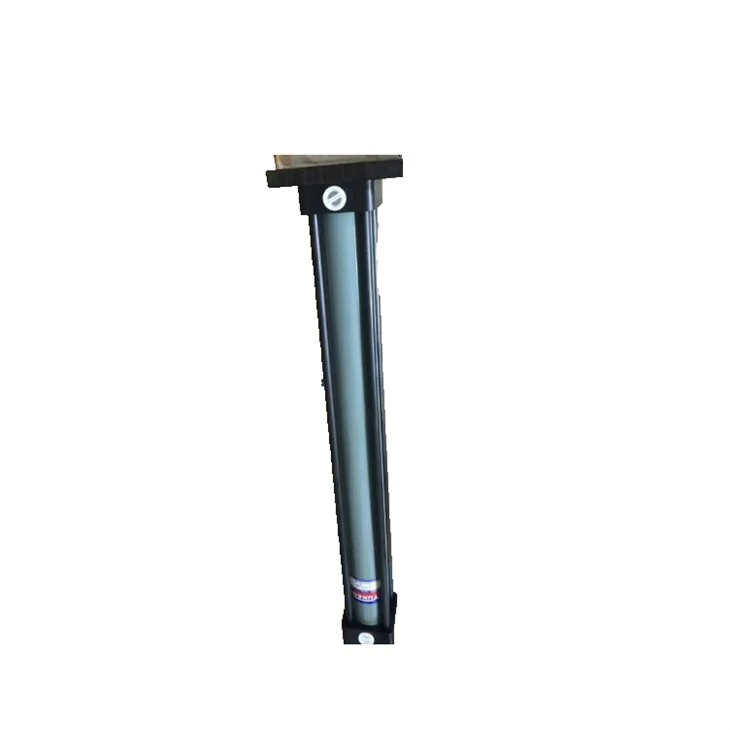
Yuken cylinders operate based on the principles of hydraulic pressure. When hydraulic fluid is pumped into the cylinder, it creates a force that moves the piston, resulting in linear motion. The speed of the cylinder is determined by the flow rate of the hydraulic fluid and the effective area of the piston.
Factors Affecting Cylinder Speed
Several factors can influence the speed of a Yuken cylinder. Understanding these factors is crucial for making accurate adjustments.
1. Hydraulic Fluid Flow Rate
The flow rate of the hydraulic fluid is directly proportional to the speed of the cylinder. A higher flow rate will result in a faster - moving cylinder, while a lower flow rate will slow it down. This flow rate is typically controlled by the hydraulic pump and flow control valves.
2. Cylinder Size and Piston Area
The size of the cylinder and the area of the piston also play a significant role. For a given flow rate, a cylinder with a smaller piston area will move faster than one with a larger piston area. Different models of Yuken cylinders, such as the CJT35 Cylinder, CJT70 Cylinder, and CJT210 Cylinder, have different piston areas, which means they will have different speed characteristics under the same flow conditions.
3. Load on the Cylinder
The load applied to the cylinder can affect its speed. A heavier load requires more force to move, which may slow down the cylinder, especially if the hydraulic system does not have sufficient power.
4. Viscosity of the Hydraulic Fluid
The viscosity of the hydraulic fluid can impact the flow rate. If the fluid is too viscous, it will flow more slowly through the system, reducing the cylinder speed. On the other hand, if the fluid is too thin, it may cause leakage and inconsistent performance.
Methods for Smoothly Adjusting Cylinder Speed
1. Using Flow Control Valves
Flow control valves are one of the most common and effective ways to adjust the speed of a Yuken cylinder. These valves can regulate the flow rate of the hydraulic fluid entering or leaving the cylinder.
- Throttle Valves: Throttle valves work by restricting the flow of hydraulic fluid. By adjusting the opening of the valve, you can control the amount of fluid that reaches the cylinder, thereby adjusting its speed. However, throttle valves can cause energy losses in the form of heat, so they are more suitable for applications where energy efficiency is not a primary concern.
- Needle Valves: Needle valves are similar to throttle valves but offer more precise control. They have a fine - threaded stem that allows for very accurate adjustment of the flow rate. This makes them ideal for applications that require precise speed control, such as in some precision manufacturing processes.
- Proportional Flow Control Valves: Proportional flow control valves can adjust the flow rate based on an electrical signal. This allows for remote and automated control of the cylinder speed. They are often used in complex hydraulic systems where real - time speed adjustment is necessary.
2. Adjusting the Hydraulic Pump
The hydraulic pump is responsible for supplying the hydraulic fluid to the cylinder. By adjusting the pump's output, you can change the flow rate and thus the cylinder speed.
- Variable - Displacement Pumps: Variable - displacement pumps can change the amount of fluid they deliver per revolution. By adjusting the pump's displacement, you can control the flow rate to the cylinder. This method is more energy - efficient than using throttle valves because it only supplies the amount of fluid needed by the system.
- Pump Speed Control: In some cases, you can also adjust the speed of the pump motor. A faster - running pump will deliver more fluid, increasing the cylinder speed, while a slower - running pump will reduce it. However, this method may require additional equipment, such as a variable - frequency drive, to control the motor speed accurately.
3. Optimizing the Hydraulic System Design
A well - designed hydraulic system can contribute to smooth speed adjustment.
- Proper Sizing of Components: Ensure that all components in the hydraulic system, including the pump, valves, and hoses, are properly sized for the application. An undersized component can restrict the flow and cause inconsistent speed, while an oversized component may lead to inefficiencies.
- Reducing Pressure Drops: Minimize pressure drops in the hydraulic system by using short and large - diameter hoses, and by ensuring that all connections are tight and leak - free. High pressure drops can reduce the effective flow rate to the cylinder and affect its speed.
Troubleshooting and Maintenance
Even with the right adjustment methods, you may still encounter issues with the cylinder speed. Here are some common problems and solutions:

1. Inconsistent Speed
- Cause: This could be due to air in the hydraulic system, worn - out seals, or a malfunctioning valve.
- Solution: Bleed the air from the system, replace the worn seals, and check and repair or replace the faulty valve.
2. Slow Cylinder Movement
- Cause: It may be caused by a low - flow pump, a clogged filter, or a high - load situation.
- Solution: Check the pump output, replace the clogged filter, and evaluate if the load on the cylinder is within the system's capacity.
3. Erratic Speed
- Cause: This can result from a dirty or damaged flow control valve, or inconsistent pump performance.
- Solution: Clean or replace the flow control valve and check the pump for any issues.
Regular maintenance of the hydraulic system is also crucial for ensuring smooth speed adjustment. This includes changing the hydraulic fluid at recommended intervals, inspecting and replacing worn components, and keeping the system clean.
Conclusion
Smoothly adjusting the speed of a Yuken cylinder requires a good understanding of the factors that affect speed and the appropriate adjustment methods. By using flow control valves, adjusting the hydraulic pump, and optimizing the system design, you can achieve precise and consistent speed control.
If you are in the market for Yuken cylinders or need further assistance with speed adjustment or any other hydraulic - related issues, I encourage you to reach out. Our team of experts is ready to provide you with professional advice and high - quality products. We can help you select the right cylinder model, such as the CJT35 Cylinder, CJT70 Cylinder, or CJT210 Cylinder, and ensure that your hydraulic system operates at its best.
References
- "Hydraulic Systems and Components" by David Crolla
- "Fluid Power Technology" by Michael W. Mittelstadt