

How does a twin gear pump differ from a single gear pump?
Jan 21, 2026
In the realm of fluid power systems, gear pumps are a cornerstone technology, offering reliable and efficient solutions for various industrial applications. Among the different types of gear pumps, single gear pumps and twin gear pumps stand out, each with its own set of characteristics, advantages, and limitations. As a supplier of twin gear pumps, I am well - versed in the nuances that distinguish these two types of pumps, and I'm excited to share this knowledge with you.
Basic Principles of Single Gear Pumps
A single gear pump operates on a relatively simple principle. It typically consists of a single gear that meshes with a stationary or idler gear within a housing. As the driving gear rotates, it creates chambers of varying volumes. When the teeth of the gears disengage, a low - pressure area is formed at the inlet port, causing fluid to be drawn into the pump. As the gears continue to rotate and the teeth re - engage, the fluid is trapped and forced towards the outlet port under pressure.
Single gear pumps are known for their simplicity in design and construction. This simplicity often translates into lower manufacturing costs, making them an economical choice for many basic fluid transfer applications. They are also relatively compact and lightweight, which can be advantageous in space - constrained environments. However, single gear pumps have some limitations. They generally have lower flow rates compared to other types of pumps, and the output pressure can be somewhat pulsating, which may not be ideal for applications that require a smooth and constant flow.
How Twin Gear Pumps Work
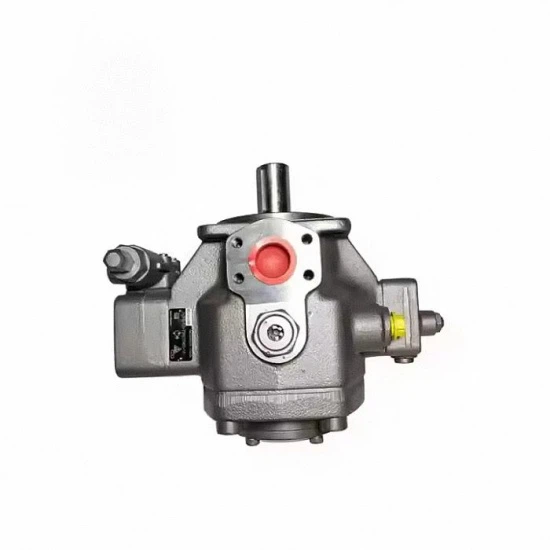
Twin gear pumps, on the other hand, are a more advanced design. A twin gear pump consists of two sets of gears that work in tandem. Each set functions similarly to a single gear pump, but the two sets are configured in a way that they can operate simultaneously or in a coordinated manner.
There are two main types of twin gear pumps: parallel - type and series - type. In a parallel twin gear pump, the two sets of gears are arranged side by side, and they draw fluid from the same inlet and discharge it into a common outlet. This configuration allows for increased flow rates while maintaining a relatively consistent pressure. In a series twin gear pump, the output of one set of gears is fed directly into the input of the second set. This setup can significantly increase the discharge pressure, making it suitable for high - pressure applications.
Twin gear pumps are designed to address some of the limitations of single gear pumps. Their dual - gear arrangement helps to reduce the pulsation of the output flow, providing a smoother and more consistent supply of fluid. This is particularly important in applications where a stable flow is crucial, such as in precision machinery or hydraulic systems that require accurate control.
Performance Comparison
One of the most significant differences between twin gear pumps and single gear pumps lies in their performance characteristics.
Flow Rate
As mentioned earlier, twin gear pumps generally offer higher flow rates than single gear pumps. The parallel configuration of twin gear pumps allows for the combination of the flow outputs from both sets of gears, effectively doubling or even tripling the flow capacity compared to a single gear pump of similar size. In industrial applications where large volumes of fluid need to be transferred quickly, such as in oil refineries or large - scale chemical processing plants, twin gear pumps are the clear choice.
Pressure Capability
Single gear pumps can generate moderate pressures, but their pressure - generating capacity is limited by their design. Twin gear pumps, especially series - type twin gear pumps, can achieve much higher pressures. The sequential operation of the two sets of gears in a series twin gear pump allows for the gradual build - up of pressure, enabling it to handle applications that demand high - pressure fluid delivery, such as in hydraulic presses or high - pressure cleaning systems.
Flow Pulsation
Flow pulsation is a major concern in fluid power systems, as it can cause vibrations, noise, and premature wear of system components. Single gear pumps tend to have more significant flow pulsations due to the nature of their gear - meshing operation. Twin gear pumps, with their dual - gear design, can effectively reduce these pulsations. The overlapping action of the two sets of gears helps to smooth out the flow, resulting in a more stable and consistent output. This makes twin gear pumps ideal for applications where a smooth flow is essential, like in medical equipment or high - precision manufacturing processes.

Application Suitability
The differences between twin gear pumps and single gear pumps also influence their suitability for various applications.
Single Gear Pump Applications
Single gear pumps are widely used in applications where cost - effectiveness, simplicity, and moderate flow and pressure requirements are the primary considerations. They are commonly found in small - scale industrial equipment, such as lubricating systems for machinery, where the flow rate and pressure requirements are relatively low. They are also used in some automotive applications, like power steering systems, where they can provide the necessary fluid flow at a reasonable cost.
Twin Gear Pump Applications
Twin gear pumps, with their superior performance characteristics, are preferred in more demanding applications. In the aerospace industry, twin gear pumps are used in hydraulic systems to power flight control surfaces, landing gears, and other critical components. The smooth flow and high - pressure capabilities of twin gear pumps ensure the reliable operation of these systems. In the marine industry, twin gear pumps are employed in hydraulic steering systems and shipboard machinery, where a stable and high - pressure fluid supply is essential.
Maintenance and Reliability
Maintenance requirements and reliability are important factors to consider when choosing between a twin gear pump and a single gear pump.
Single gear pumps are relatively easy to maintain due to their simple design. They have fewer components, which means there are fewer parts that can fail. However, their performance may degrade more quickly over time, especially if they are operated in harsh conditions or at high loads.
Twin gear pumps, while more complex in design, are generally more reliable in the long run. Their dual - gear configuration provides a certain degree of redundancy, meaning that if one set of gears experiences a minor issue, the other set can still maintain some level of operation. Additionally, the reduced flow pulsation in twin gear pumps results in less wear and tear on the pump components and other system parts, leading to longer service intervals and lower overall maintenance costs.
As a twin gear pump supplier, I understand the importance of providing high - quality products that meet the diverse needs of our customers. Our twin gear pumps are designed and manufactured to the highest standards, ensuring optimal performance, reliability, and durability. Whether you need a pump for a high - pressure hydraulic system or a precision fluid transfer application, we have the right solution for you.
We also offer a wide range of related products, such as Rexroth PGH, Rexroth Variable Displacement Piston Pump A4VG90 A4VG125, and Pilot Pump PV7 - 1X/PV7 - 1A Rexroth. These products are known for their excellent performance and are widely used in various industrial sectors.
If you are in the market for a high - performance twin gear pump or any of our related products, we encourage you to contact us for procurement and further discussion. Our team of experts is ready to assist you in selecting the most suitable pump for your specific application and providing you with comprehensive technical support.
References
- "Fluid Power Engineering" by John F. Watton
- "Hydraulic and Pneumatic Systems: Theory and Applications" by R.K. Bansal
- Industry - specific technical manuals and whitepapers on gear pump technology.